How to Grow Echinacea (Purple Coneflower)

A Year in the Life of Purple Coneflower
Echinacea purpurea, better known as Purple Coneflower, is a native wildflower of North America. Some species of Echinacea are endangered, and the pollinator is worth preserving and propagating in any garden. This beautiful and iconic wildflower also has a long history of use as a plant medicine. Native American peoples used it extensively, and it still one of the most widely recognized herbal remedies of modern times. It is used for boosting the immune system, helping to prevent an illness before it gets started. Like many plants, it is most potent when fresh, which is another great reason to grow your own supply. In this article, we will look at a “Year in the Life” of Purple Coneflower so you can have a year-round, self-propagating supply of this wonderful medicinal plant in your own backyard and garden.
Hardy Once Established
Being a "wild" plant rather than a domesticated one, purple coneflower can be a little challenging to figure out for a new grower. However, once established, it can keep going almost indefinitely with little effort.
Purple coneflowers can tolerate a wide range of growing environments, but do best in well-drained, slightly poorer soil. They like full sun and need soil depth of at least 6 inches if you plan to harvest for tinctures. They do not require much space—typically about 1 square foot per plant. They can spread in good growing environments, but are not aggressive. Weed control is necessary to maintain them long-term.
I have kept a small bed of Purple Coneflower in my backyard herb garden for almost 10 years now. Our backyard is carved out of a rocky ridge, and the Coneflower is in a small concrete block bed. The fairly shallow soil is mostly clay mixed with decayed leaf material. The yard is south facing, full sun, and quite hot in the summer. Yet with a little care at key times of the year, this plant has continued to thrive and provide us with a reliable supply of leaves and roots. No doubt there are more (and better) ways to help this plant along, but here is a "year in the life" of my Coneflower bed:
Starting the Plants (Mid-Winter to Early Spring)
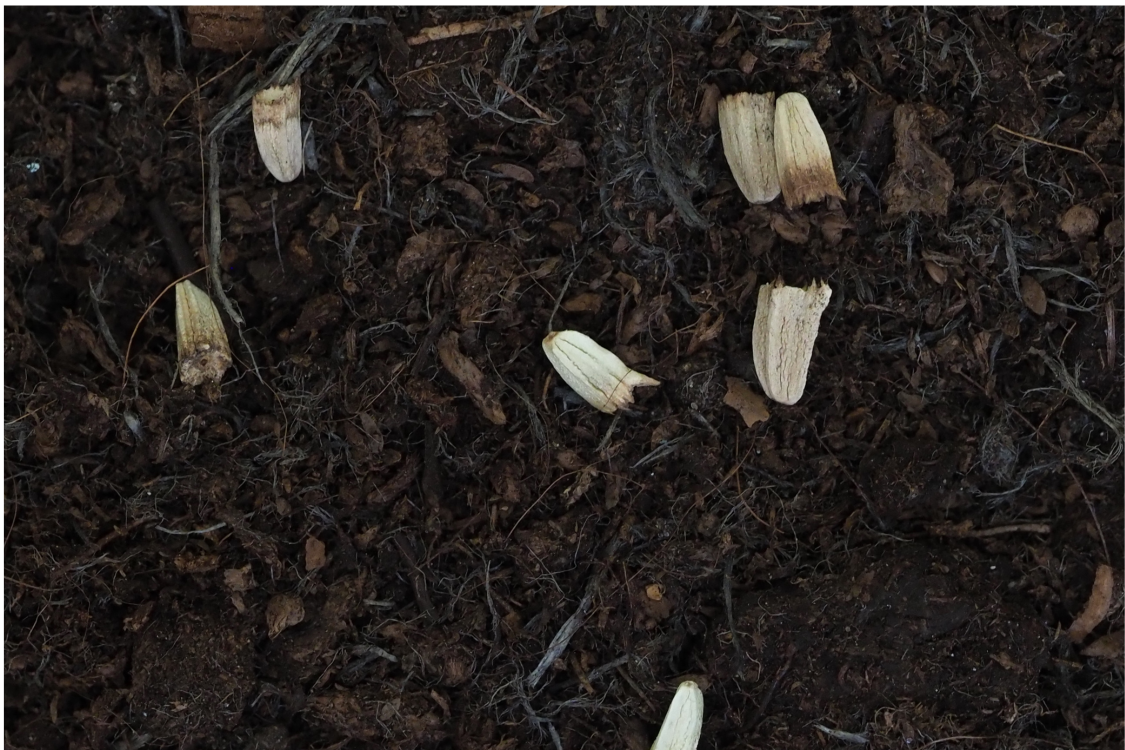
If you have an established bed of Purple Coneflower already, then you may not need more plants. Echinacea will drop seeds from its dried flower stalks in late fall. However, birds really enjoy nibbling on these seeds over the winter, so it may or may not spread very fast. I like to start a few plants in early spring just in case.
One method of propagation is to scatter the seeds in prepared soil in late November, and cover lightly with mulch. As long as there are adequate freezing temperatures and the birds do not find your seeds over the winter, the seeds will sprout in the spring.
If you do not experience freezing temperatures or do not want to risk seed loss with the outdoor method, you can start the seeds indoors. This has been the most successful way for me. For this method, start in January by taking the seeds out of their packet and placing them in a small plastic freezer bag. Add 1 TBSP of sand or vermiculite and 1/2 TBSP water. Shake it up, seal tightly, and place in your freezer for 4-6 weeks. At the end of this period, remove the seeds and place in a seed tray with quality potting soil. Water well and cover with a layer of plastic wrap or a seed tray dome. Set in a sunny window and keep moist until sprouted, 2-3 weeks. Remove plastic covering and continue growing indoors until ready to transplant outdoors in late spring.
Alternately, you may be able to find a potted Purple Coneflower plant in the spring at your local plant nursery.
Caring for the Plants (Summer)
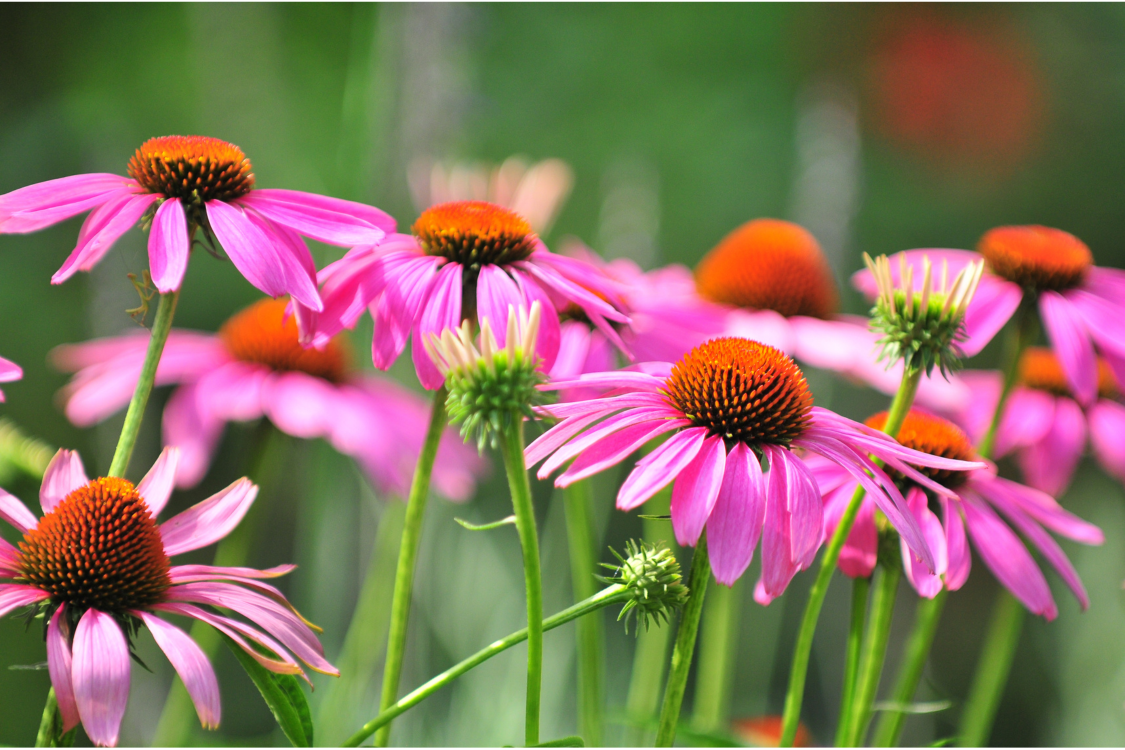
Purple Coneflowers require little care in the summer. Keep well weeded, both for the vitality of the plant and the ability to harvest a clean root system later for tinctures or other uses. Heavy mulches, even woven plastic mulches, can help make this easier. The plant is very drought tolerant, but if it begins to look wilted, water deeply. Spring and early summer is the best time to harvest the leaves. These are excellent for drying and using as an immune boosting tea. The flavor is strong but pairs well with mint.
Harvesting and Cold Weather Care (Fall and Winter)
Fall and winter are an important time for this perennial plant.
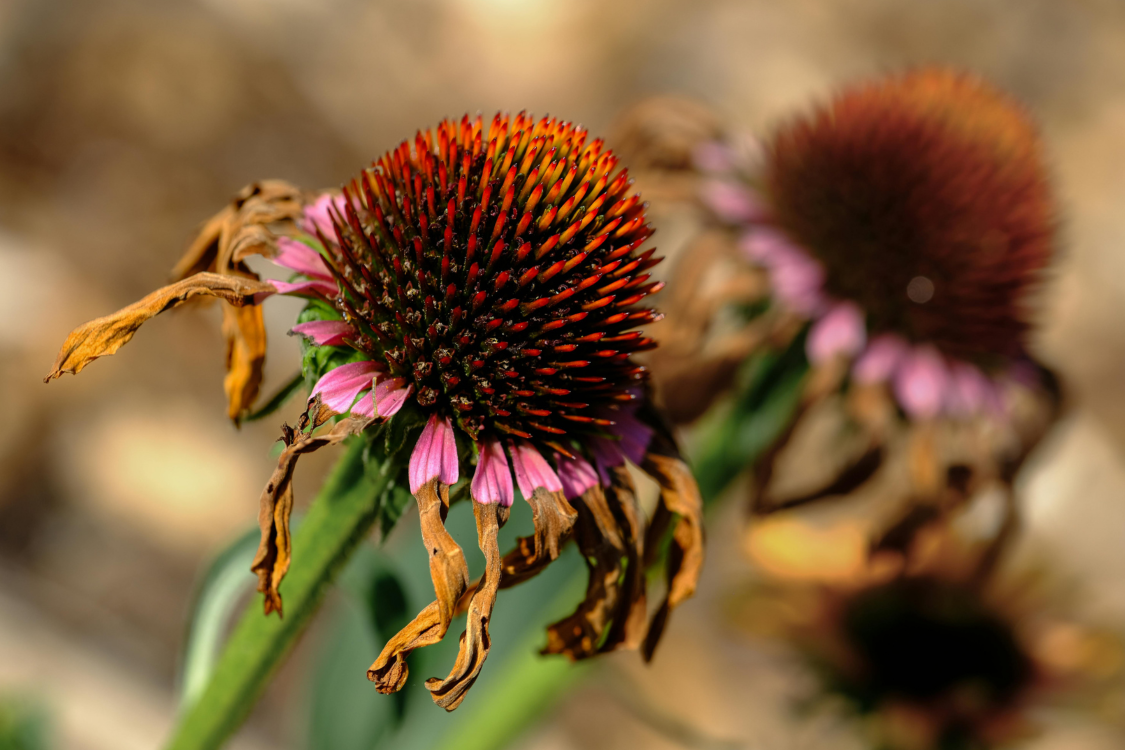
If you plan to make a root tincture, harvest a second-year, mature plant with a good system once the plant begins to die back.
To harvest your own seeds, wait until the flower stalk begins to die and turn brown. Cut off the stalks and dry the seed heads by hanging upside down in bundles in a cool, dry environment. Once completely dried, you can cut off the seed heads and store in a breathable container in a dry place, or place in airtight bags in the freezer.
Weed the beds well and cover with a heavy layer of mulch. If you want to try direct-seeding, this is the time to do that. If weeds are threatening to take over the bed (a common problem with a non-aggressive perennial like Echinacea), you can cut the plant to the ground and cover with woven plastic landscaping fabric in the fall. Leave on until the plant begins to sprout in the spring. Purple Coneflower sprouts later than a lot of native plants here in my region, often not putting out leaves until late April or early May. Just be sure to make a note on your calendar or have another reminder to check on your bed, because the plants can be smothered if the plastic is not removed in time. With a good start ahead of the weeds, your plants will be ready for another successful year!
If you are looking for seeds to start your own Purple Coneflower bed, we are happy to share from our supply! Seed packets include our favorite tea and tincture recipes for using your harvest.